HIV is preventable. The tools available today are highly effective, widely accessible, and give you real control over your risk.
Knowing your options is the first step. Using them consistently is what makes the difference.
Understanding HIV prevention means understanding how the virus is transmitted, and which barriers stop that transmission at each point. This guide breaks it all down clearly.
How HIV Transmission Actually Works
HIV spreads through specific body fluids: blood, semen, rectal fluids, vaginal fluids, and breast milk. It does not spread through casual contact, air, water, or touch.
Transmission requires direct contact between one of those fluids and a mucous membrane, broken skin, or the bloodstream. Knowing this helps you assess real risk versus perceived risk.
Most new HIV infections occur through unprotected sexual contact or sharing injection equipment. Both are addressable with the right prevention tools.
Proven HIV Prevention Methods
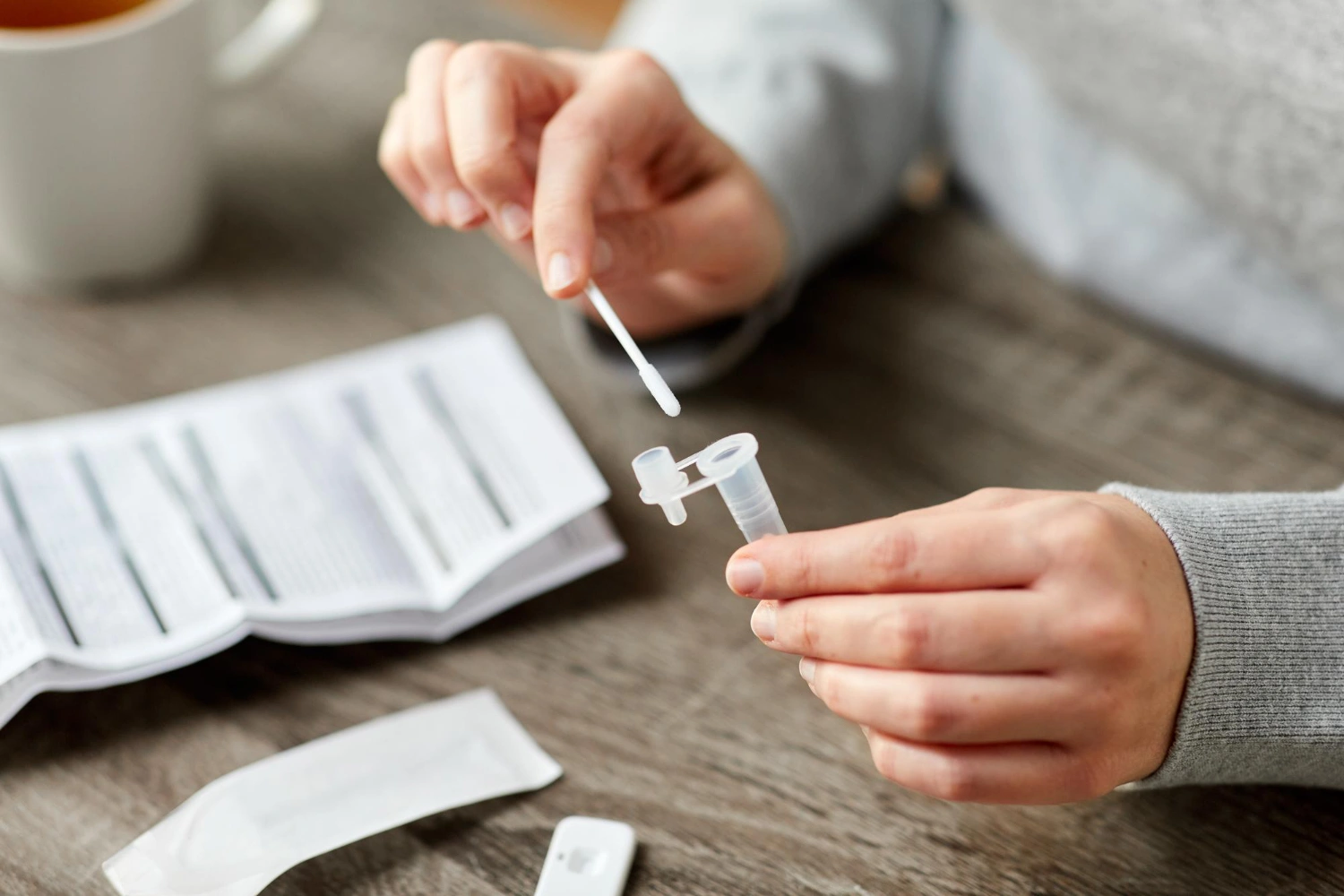
Pre-Exposure Prophylaxis (PrEP)
PrEP is a daily medication taken by HIV-negative people to prevent infection. When taken consistently, PrEP is over 99% effective at preventing HIV from sexual contact.
It is available as a daily pill or a long-acting injectable given every two months. Talk to your doctor to find out which option works for your lifestyle.
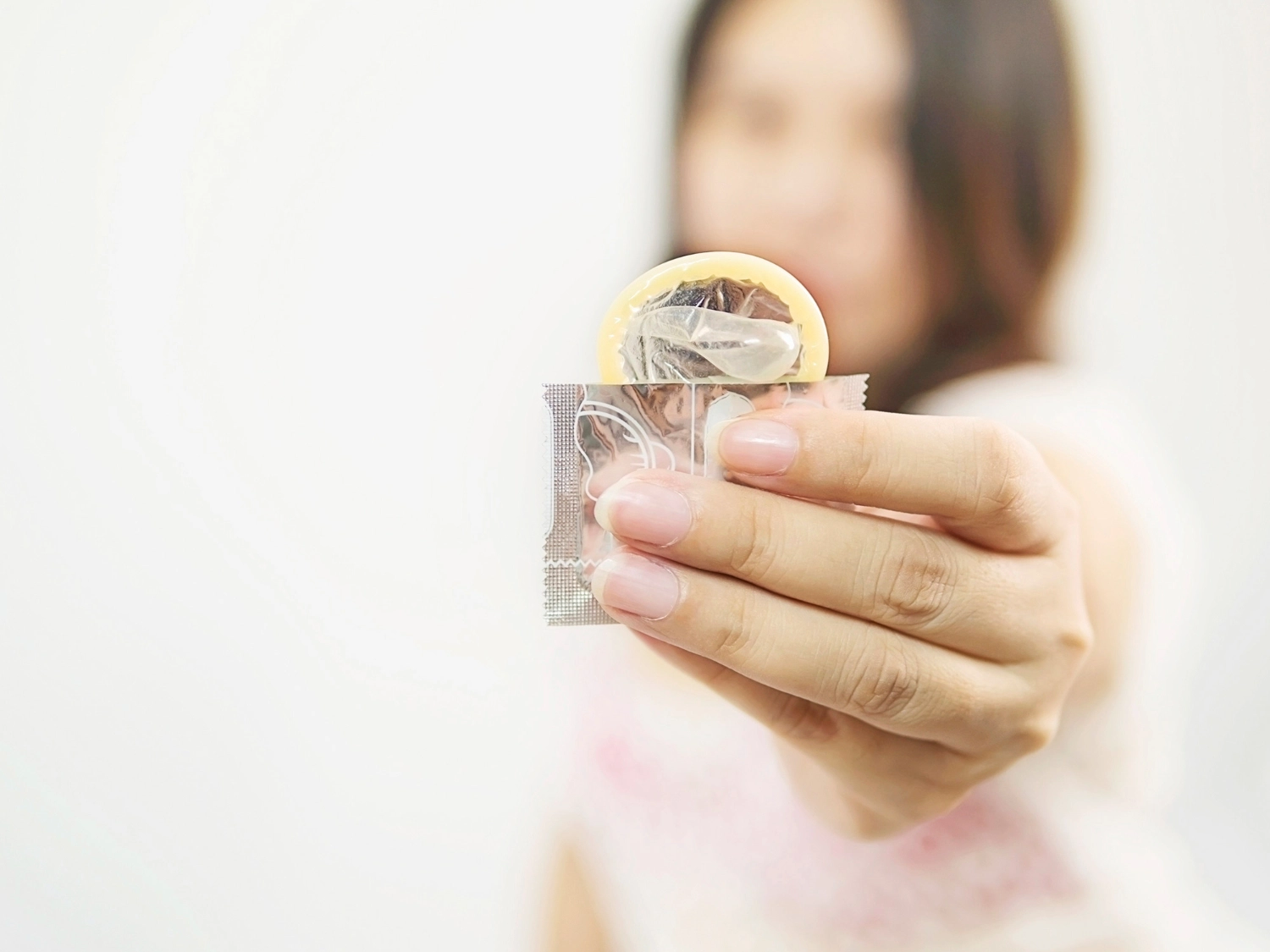
Condoms and Barrier Methods
Male and female condoms, when used correctly and consistently, reduce HIV transmission risk significantly. They also protect against other sexually transmitted infections.
Correct use matters as much as consistent use. A condom used improperly provides much weaker protection than one used right every time.

Antiretroviral Treatment as Prevention (TasP)
If your HIV-positive partner is on effective treatment and has reached an undetectable viral load, they cannot transmit HIV to you sexually. This is called Undetectable = Untransmittable, or U=U.
U=U is a medically confirmed fact, not a theory. It has transformed how HIV-serodiscordant couples approach intimacy and family planning.
Post-Exposure Prophylaxis (PEP): Your Emergency Option
PEP is a short course of HIV medication taken after a potential exposure. It must be started within 72 hours of exposure and taken for 28 days to be effective.
PEP is not a substitute for regular prevention, but it is a critical backup when other methods fail or are not used. Contact a healthcare provider or emergency room immediately if you think you need it.
PEP is available at most hospitals, urgent care clinics, and HIV clinics. Do not wait.
Harm Reduction for People Who Inject Drugs
Sharing needles or injection equipment is a high-risk route for HIV transmission. Using clean needles every time eliminates that risk.
Needle exchange programs, also called syringe service programs, provide free sterile injection equipment without judgment. Many also offer HIV testing, PrEP referrals, and addiction support services.
You deserve access to tools that protect your health regardless of your circumstances.